Antioxidants in Everyday Life – How to Get Them Naturally Through Food

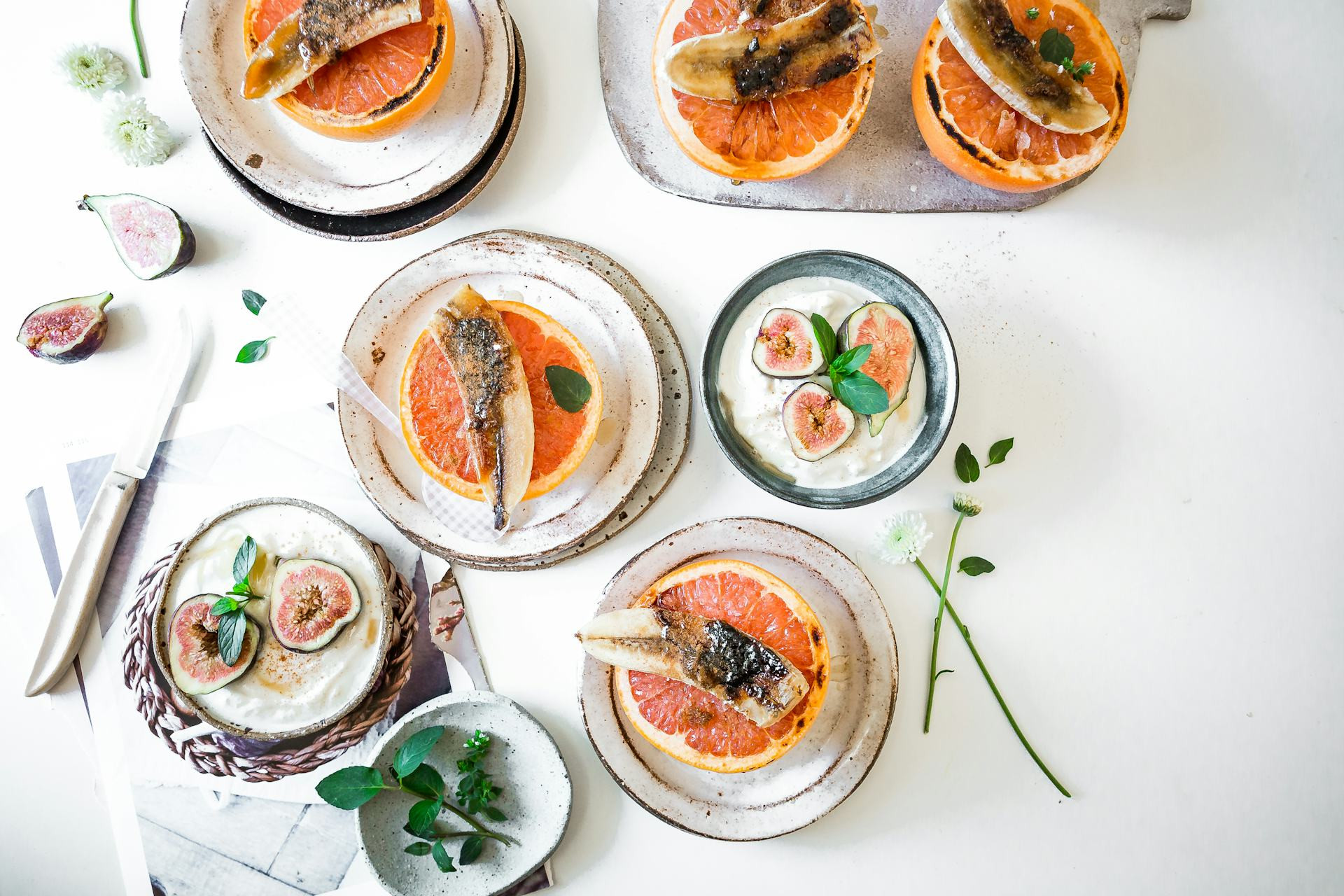
Antioxidants in Everyday Life – How to Get Them Naturally Through Food
“Antioxidants” has become a buzzword in the world of health and wellness—and for good reason. These powerful compounds help protect our cells from damage caused by free radicals, unstable molecules that can accelerate aging and contribute to chronic diseases. But what exactly are antioxidants, and how can you get them naturally through everyday foods—without relying on supplements? Here’s a practical guide to boosting your body’s natural defenses through what you eat.
What Are Antioxidants—and Why Do They Matter?
Antioxidants are substances that help neutralize free radicals, which are produced naturally in the body through metabolism, exposure to sunlight, pollution, and even stress. When free radicals build up faster than the body can handle them, they can damage cells and tissues—a process known as oxidative stress.
Your body produces some antioxidants on its own, but many come from food. The most well-known include vitamin C, vitamin E, beta-carotene, selenium, and zinc, as well as plant compounds like polyphenols and flavonoids. A balanced diet rich in fruits, vegetables, whole grains, nuts, and seeds is the best way to support your body’s antioxidant system naturally.
Eat the Rainbow: Color Reveals the Nutrients
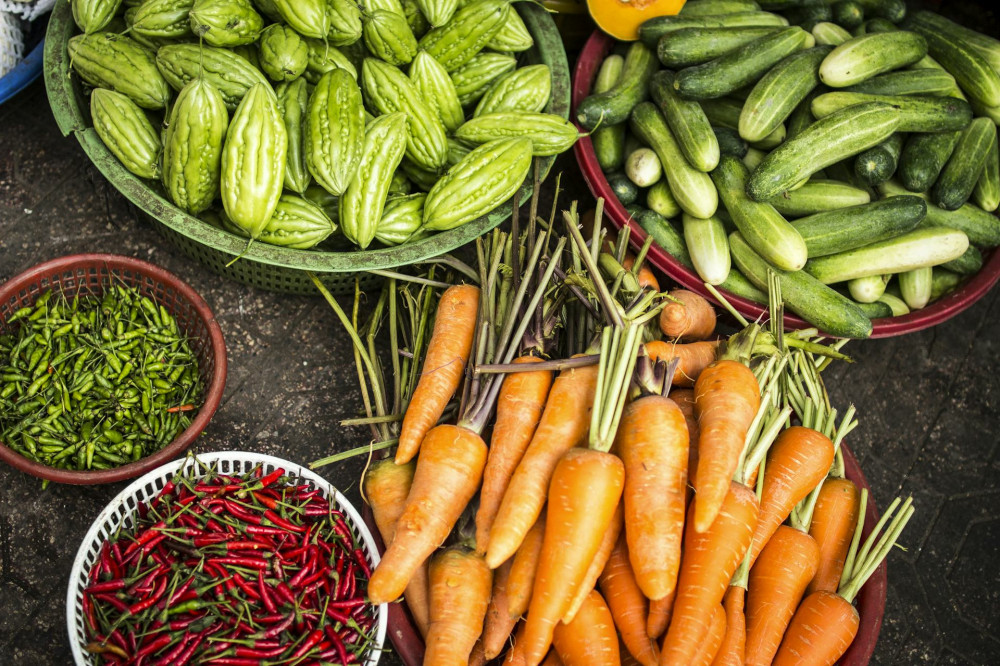
A simple rule of thumb is to “eat the rainbow.” The more colors you have on your plate, the wider the range of antioxidants you’ll get. Different colors in fruits and vegetables reflect different beneficial plant compounds.
- Red and purple foods (like blueberries, cherries, and red cabbage) contain anthocyanins, which support heart and blood vessel health.
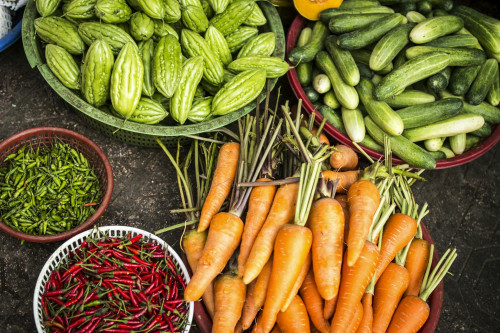
- Orange and yellow foods (like carrots, sweet potatoes, and mangoes) are rich in beta-carotene, which the body converts into vitamin A.
- Green vegetables (like spinach, kale, and broccoli) provide chlorophyll, vitamin C, and lutein, which promote eye health.
- White and brown foods (like garlic, onions, and mushrooms) contain sulfur compounds and other substances that support immune function.
By mixing a variety of colors, you’ll not only get a broad spectrum of antioxidants but also make your meals more appealing and satisfying.
Everyday Foods Packed with Antioxidants
You don’t need exotic superfoods to get enough antioxidants. Many common foods found in American kitchens are rich in them:
- Berries – Blueberries, blackberries, and strawberries are antioxidant powerhouses.
- Apples – Contain quercetin, a flavonoid with anti-inflammatory properties.
- Leafy greens – Spinach, kale, and collard greens are loaded with vitamin C and lutein.
- Nuts and seeds – Almonds, walnuts, and sunflower seeds provide vitamin E and healthy fats.
- Spices – Cinnamon, turmeric, and ginger are full of bioactive compounds that fight oxidative stress.
- Dark chocolate and cocoa – In moderation, they offer polyphenols that support heart health.
- Coffee and tea – Both are natural sources of antioxidants, though moderation is key.
Incorporating these foods into your daily meals can easily increase your antioxidant intake without major dietary changes.
How to Preserve Antioxidants When Cooking
Cooking methods can affect antioxidant levels. Some nutrients, like vitamin C, are sensitive to heat, while others become more available when cooked.
- Combine raw and cooked foods. Enjoy fresh salads alongside lightly steamed or roasted vegetables.
- Avoid overcooking. Steaming or quick sautéing helps preserve more nutrients than boiling.
- Add a bit of healthy fat. Fat-soluble antioxidants like beta-carotene and vitamin E are better absorbed when eaten with healthy fats such as olive oil or avocado.
- Store food properly. Light and air can degrade antioxidants, so keep fruits and vegetables in a cool, dark place or in the refrigerator.
Small adjustments in the kitchen can make a big difference in how much your body benefits from the food you eat.
Læs også:

Antioxidants and Lifestyle—More Than Just Food
While diet plays a major role, your lifestyle also affects your body’s antioxidant balance. Regular exercise, adequate sleep, and stress management all help reduce oxidative stress. On the other hand, smoking and excessive alcohol consumption increase free radical production.
Think of antioxidants as part of a bigger picture: a balanced lifestyle that supports your body’s natural resilience. Eat a variety of whole foods, stay active, and give yourself time to rest and recover.
A Natural Path to Balance
Antioxidants aren’t a quick fix—they’re part of a long-term approach to health. By choosing fresh, colorful foods and maintaining a balanced lifestyle, you can strengthen your body’s natural defenses while enjoying delicious, nourishing meals. It’s not about counting vitamins—it’s about creating a way of living where health and enjoyment go hand in hand.
Læs også: