Beauty Sleep Isn’t a Myth – How Good Sleep Boosts Skin Renewal

Beauty Sleep Isn’t a Myth – How Good Sleep Boosts Skin Renewal
The phrase “beauty sleep” might sound like something out of a fairy tale, but science backs it up. While you sleep, your body goes into repair mode—restoring energy, balancing hormones, and renewing cells, including those in your skin. A good night’s rest isn’t just about feeling refreshed; it’s also one of the most effective ways to support healthy, glowing skin. Here’s how sleep fuels skin renewal and what you can do to make the most of your nightly rest.
Your Skin’s Nighttime Repair Cycle
During deep sleep, your body shifts its focus from daytime activity to restoration. Blood flow to the skin increases, delivering oxygen and nutrients that help repair damage from sun exposure, pollution, and daily stress. Growth hormones released during sleep stimulate the production of new skin cells and collagen—the protein that keeps skin firm and elastic.
This nightly repair process is essential for maintaining a smooth, resilient complexion. When you cut your sleep short, your skin doesn’t get enough time to complete its natural renewal cycle, which can leave it looking dull and tired.
The Visible Effects of Sleep Deprivation
Most of us have seen it firsthand: after a restless night, the mirror reflects puffy eyes, dark circles, and a lackluster complexion. That’s because sleep deprivation raises levels of cortisol, the body’s main stress hormone. Elevated cortisol can break down collagen and increase inflammation, both of which accelerate visible signs of aging.
Chronic sleep loss can lead to dryness, fine lines, and a weakened skin barrier, making your skin more prone to irritation and breakouts. In short, missing out on sleep doesn’t just affect your mood—it can make your skin age faster.
How to Optimize Your Beauty Sleep
Getting quality sleep is about more than just clocking in eight hours. The quality and consistency of your rest matter just as much. Here are some simple ways to help your skin—and your body—get the most out of your sleep:
- Stick to a schedule: Go to bed and wake up at the same time every day, even on weekends. A steady routine helps regulate your body’s internal clock.
- Limit screen time before bed: Blue light from phones and laptops suppresses melatonin, the hormone that signals your body it’s time to sleep.
- Create a calm sleep environment: Keep your bedroom cool, dark, and quiet to promote deeper, more restorative sleep.
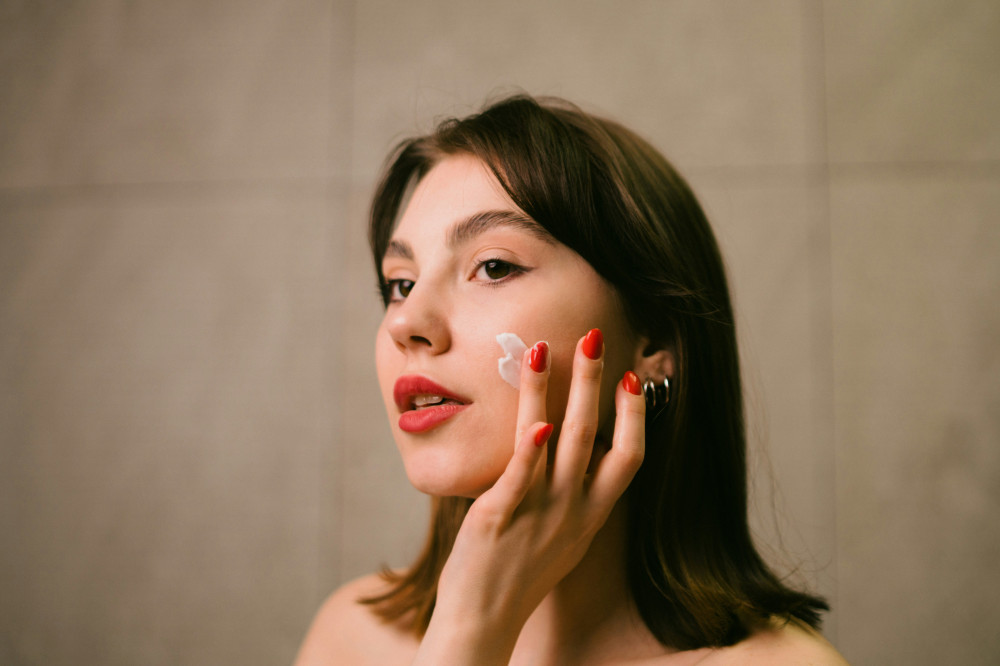
- End the day with a gentle skincare routine: Cleanse your face and apply a nourishing night cream or serum to support overnight repair.
- Stay hydrated—but time it right: Drink plenty of water throughout the day, but avoid large amounts right before bed to prevent sleep interruptions.
Læs også:
Skincare and Sleep Work Together
Nighttime is when your skin is most receptive to active ingredients. Using products with hyaluronic acid, niacinamide, or retinol before bed can enhance the skin’s natural renewal process. Choose gentle, fragrance-free formulas to avoid irritation and let your skin rest undisturbed.
Still, no cream or serum can replace the benefits of real sleep. Think of skincare and sleep as partners: one protects from the outside, the other restores from within.
Make Sleep Part of Your Beauty Routine
Prioritizing sleep is one of the simplest and most effective ways to care for your skin. When you rest well, your body has the time and resources it needs to repair and rejuvenate. The result? A brighter, healthier complexion that no amount of makeup can replicate.
So the next time you’re tempted to stay up late, remember—your skin notices. Beauty sleep isn’t a myth; it’s nature’s most powerful form of skincare.
Læs også: