Foot-Friendly Shoes for Long Workdays – How to Choose and Care for Them So Your Feet Stay Comfortable

Foot-Friendly Shoes for Long Workdays – How to Choose and Care for Them So Your Feet Stay Comfortable
If your job keeps you on your feet for hours—whether you’re in healthcare, retail, hospitality, or a warehouse—your shoes can make or break your day. Aching arches, sore heels, and tired legs are often signs that your footwear isn’t doing its job. Choosing foot-friendly shoes isn’t just about comfort; it’s about protecting your long-term health and energy. Here’s how to find the right pair and keep them in top shape so your feet stay happy from clock-in to clock-out.
Why Foot-Friendly Shoes Matter
Your feet carry the weight of your entire body, step after step. When shoes don’t fit properly or lack support, the strain doesn’t stop at your feet—it can travel up to your knees, hips, and back. Over time, this can lead to chronic pain and fatigue.
Supportive shoes help distribute pressure evenly, stabilize your stride, and allow your toes to move naturally. For anyone who stands or walks most of the day, the right footwear can mean the difference between finishing your shift comfortably or limping home in pain.
How to Choose the Right Shoes
When shopping for work shoes, keep these key factors in mind:
- Fit comes first. Your shoes should match the shape of your foot—not the other way around. There should be enough room for your toes to move freely, and your heel should stay secure without slipping or pinching.
- Support and stability. Look for a firm heel counter and a flexible yet supportive sole. These features help maintain proper alignment and reduce strain on your muscles and joints.
- Shock absorption. If you spend your day on hard surfaces like concrete or tile, choose shoes with cushioned midsoles to absorb impact and protect your joints.
- Breathable materials. Leather, mesh, or other breathable fabrics help keep your feet cool and dry, reducing the risk of blisters and odor.
- Correct size. Feet can change over time, so have them measured regularly—preferably at the end of the day when they’re slightly swollen. That’s when you’ll get the most accurate fit.
Try on shoes with the socks you usually wear to work, and walk around the store. A good pair should feel supportive right away—don’t count on “breaking them in.”
Special Needs Require Special Solutions
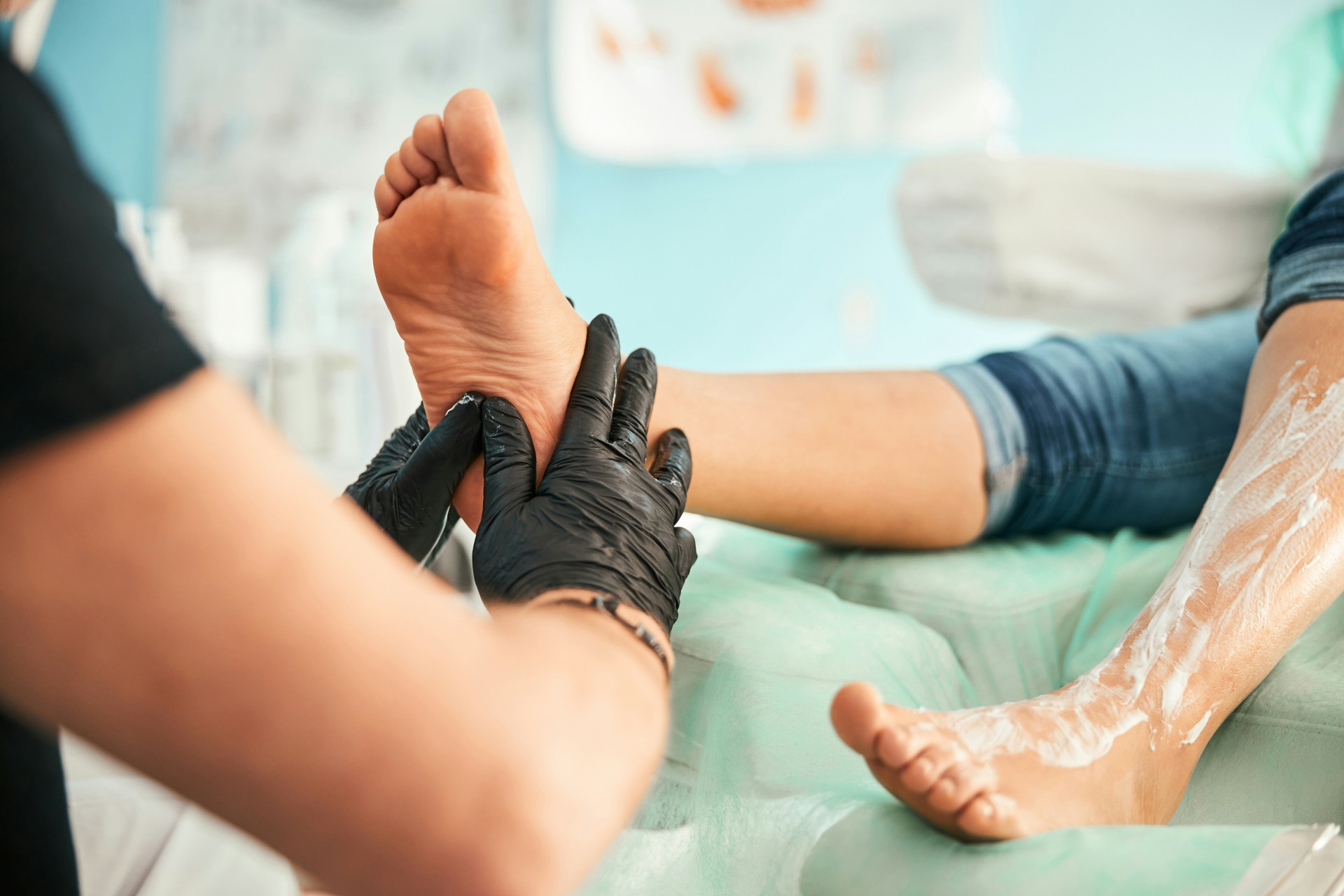
If you have specific foot conditions—like flat feet, high arches, or plantar fasciitis—custom insoles or orthotics can make a big difference. A podiatrist can help you find the right solution for your needs.
For those who wear safety shoes or boots, comfort doesn’t have to take a back seat to protection. Many modern safety shoes combine steel or composite toes with ergonomic designs and cushioned soles. It’s worth investing in a pair that meets safety standards while still supporting your feet properly.
Læs også:


How to Care for Your Shoes—and Your Feet
Even the best shoes need maintenance to stay supportive and comfortable. Here are a few simple habits that extend their life:
- Rotate your shoes. Don’t wear the same pair every day. Giving them a day off allows moisture to evaporate and helps them keep their shape.
- Keep them clean and dry. Wipe off dirt, let them air out, and use shoe trees or crumpled paper to maintain their form.
- Replace insoles. Over time, insoles lose their cushioning and support. Swapping them out can make old shoes feel new again.
- Listen to your feet. If you start feeling pressure points or pain, it may be time for a new pair—or a different style.
After a long day, treat your feet to a little care: a warm soak, gentle massage, or moisturizing lotion can help relieve tension and keep your skin healthy.
Small Changes, Big Results
Choosing foot-friendly shoes isn’t just about comfort—it’s about prevention. Many people don’t realize how much their footwear affects their overall well-being until problems arise. With the right support, you can stay energized, reduce fatigue, and protect your body from unnecessary strain.
Think of your shoes as essential work equipment—tools that should fit you perfectly and support you every step of the way. Your feet will thank you, both today and for years to come.
Læs også: