From Trend to Identity: What Beauty Trends Say About Our Time


From Trend to Identity: What Beauty Trends Say About Our Time
Every era has its own beauty ideals. From the glamorous curls and red lips of the 1940s to the bronzed glow of the early 2000s and today’s obsession with “effortless” natural looks, beauty trends have always reflected more than just aesthetics. They mirror our values, our technology, and our cultural shifts. In today’s world, beauty has become part of our identity—a language we use to express who we are and what we believe in.
From Fashion to Self-Expression
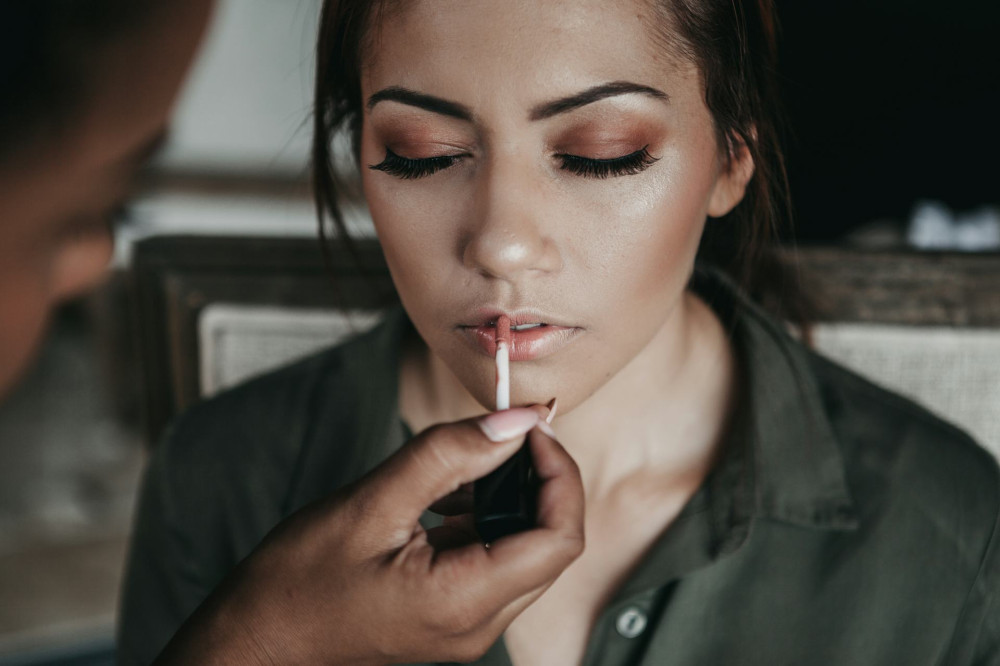
In the past, beauty trends often followed simple patterns: a new hairstyle, a new lipstick shade, a new product. Today, the landscape is far more complex. Social media has turned beauty into a form of storytelling, where the line between trend and individuality blurs. When someone chooses to go makeup-free, embrace bold eyeliner, or experiment with gender-fluid styles, it’s not just about appearance—it’s a statement about belonging, values, and lifestyle.
Beauty has become part of our personal brand. We curate our looks the same way we curate our online presence. That means beauty is no longer just about following trends—it’s about creating your own.
The Role of Technology in Shaping Ideals
Technology has transformed how we see ourselves and how we define beauty. Filters, editing apps, and AI-generated images have made it possible to alter reality with a swipe. This has created new, often unattainable ideals—but also new avenues for creativity and self-expression.
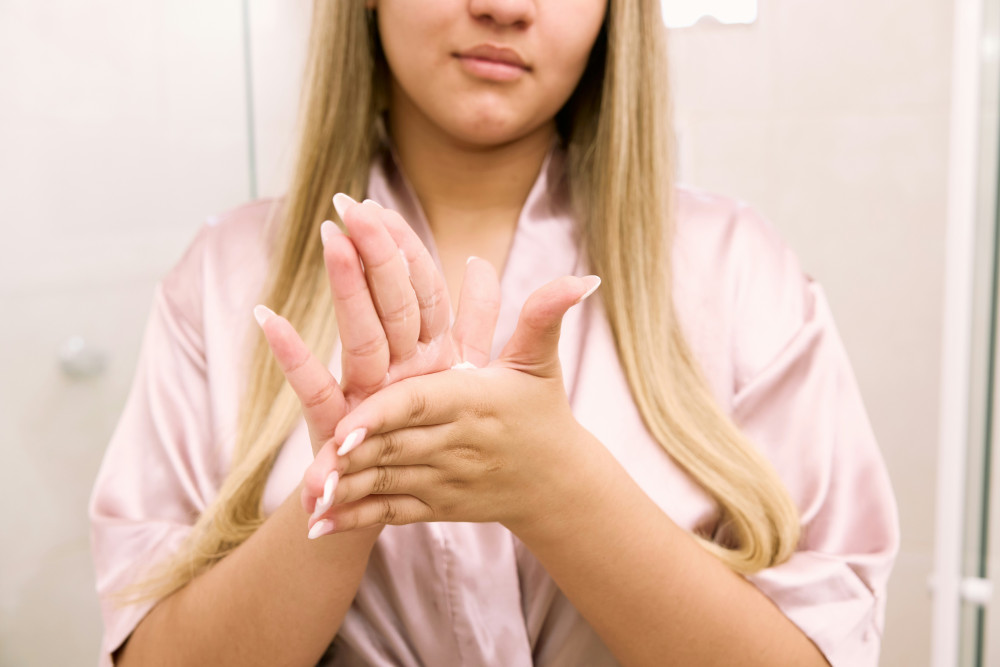
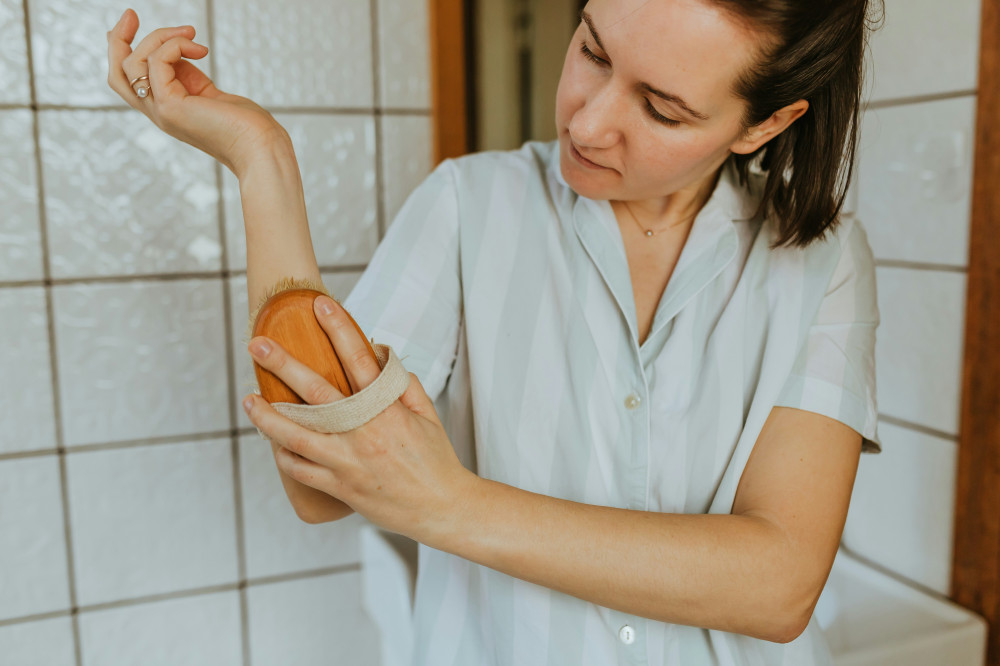
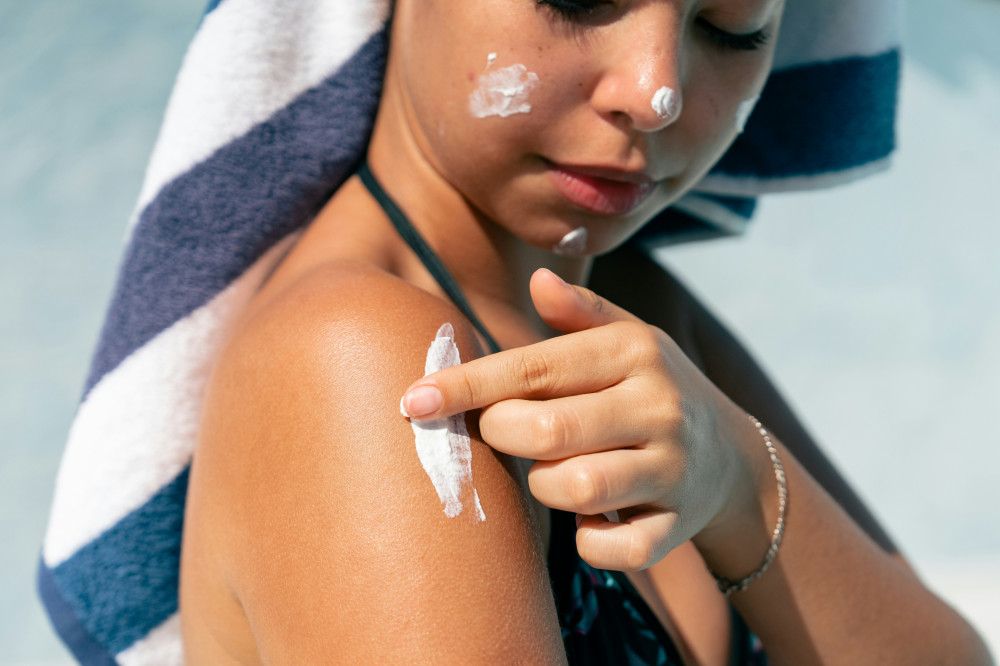
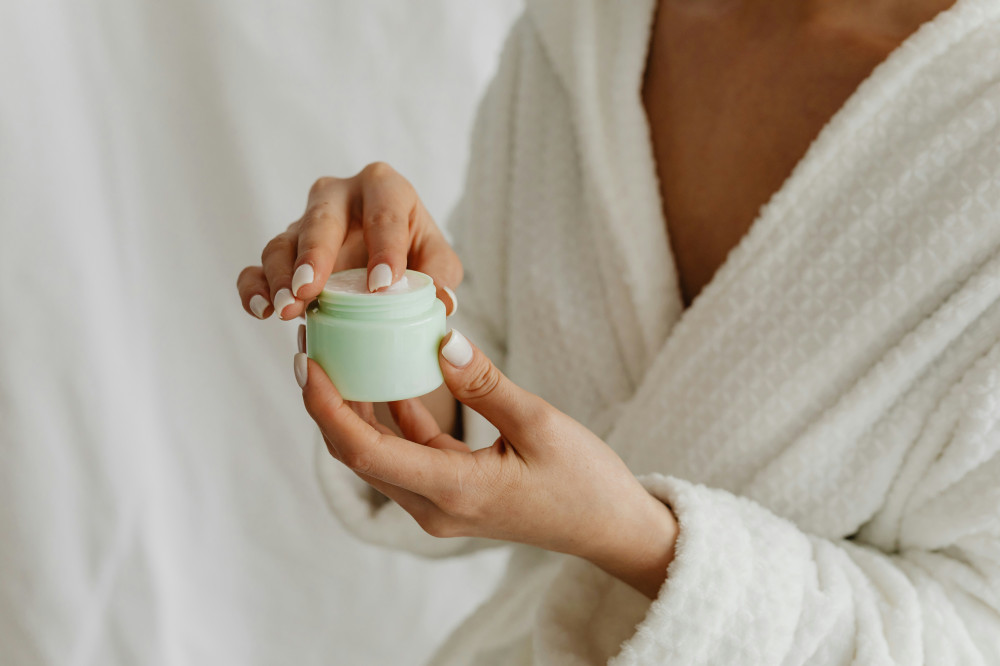
At the same time, cosmetic science has advanced rapidly. Ingredients like retinol, hyaluronic acid, and peptides have become household names. Skincare has turned into a form of self-care rooted in knowledge and control—a reflection of a society that values both wellness and evidence-based results.
Beauty as Community and Activism
One of the most striking developments in recent years is how beauty has become political. The push for inclusivity has challenged long-standing norms around body type, gender, and race. Campaigns celebrating diversity and authenticity have reshaped how both consumers and brands talk about beauty.
Communities have also formed around shared beauty experiences—from online skincare forums to movements celebrating natural hair and body positivity. Beauty is no longer something done in isolation in front of a mirror—it’s a social practice that connects people and fosters belonging.
Sustainability and Conscious Consumption
As climate concerns grow, the beauty industry has been forced to rethink itself. Consumers are demanding transparency, sustainable ingredients, and eco-friendly packaging. “Clean beauty” and “slow beauty” have become key concepts, reflecting a broader cultural shift toward responsibility and mindfulness.
This evolution shows that beauty is no longer just about the end result—it’s also about the process: how products are made, what they stand for, and the impact they have. It’s a sign of a time when ethics and aesthetics are increasingly intertwined.
Læs også:
A Reflective Surface with Depth
Beauty trends may seem fleeting, but they reveal much about who we are as a society. They reflect our dreams, our insecurities, and our technological progress. When we look at what’s “in” right now—natural skin, gender-neutral products, sustainable choices—we see a portrait of a culture searching for authenticity, diversity, and meaning.
Beauty is no longer just about looking good. It’s a language we use to understand ourselves and each other—a mirror of our time that reflects both the surface and the depth beneath it.
Læs også: