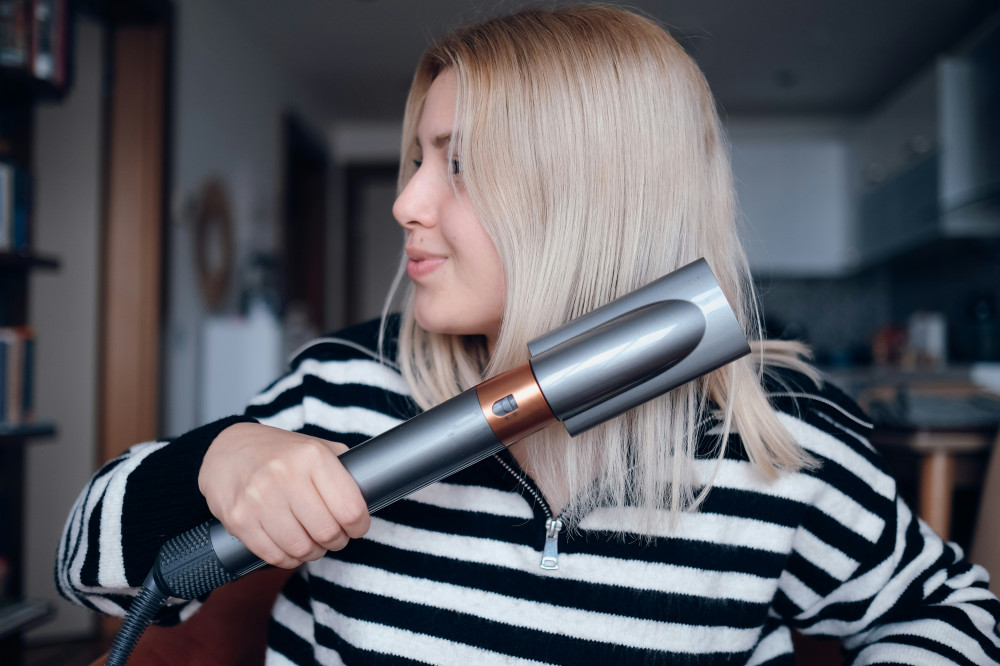
Hair and Lifestyle: How Your Habits Affect Hair Strength


Hair and Lifestyle: How Your Habits Affect Hair Strength
The health of your hair isn’t just about genetics or the products you use—it’s deeply connected to your lifestyle. Everything from your diet and sleep to stress levels and exercise habits can influence how your hair grows and how strong it is. If you’ve noticed your hair becoming thinner, drier, or losing its shine, it might be time to take a closer look at your daily routines. Here’s how your lifestyle choices affect your hair—and what you can do to strengthen it from within.
Nutrition – Building Blocks for Strong Hair
Hair is primarily made of a protein called keratin, so a protein-rich diet is essential for healthy growth. Eggs, fish, chicken, beans, and nuts provide the amino acids your hair needs to stay strong. But protein isn’t the only key player—vitamins and minerals are just as important.
- Iron and zinc help hair follicles function properly. A deficiency can lead to increased shedding.
- Biotin (vitamin B7) supports both hair and nail strength.
- Omega-3 fatty acids, found in salmon, chia seeds, and flaxseeds, help keep your scalp hydrated and healthy.
A balanced diet with plenty of fruits, vegetables, and whole grains provides the nutrients your body needs to produce new, resilient hair. Supplements can help if you have deficiencies, but they should never replace a healthy diet.
Sleep and Recovery – When Hair Rebuilds
Your body repairs itself while you sleep—and that includes your hair. Lack of sleep can disrupt hormone balance, especially cortisol, the stress hormone that can slow hair growth when levels are too high. Aim for 7–8 hours of sleep each night, and try to maintain a consistent bedtime routine. A dark, cool bedroom and limited screen time before bed can make a big difference. When your body rests properly, your hair gets the chance to grow stronger.
Stress – A Hidden Enemy of Hair Health
Chronic stress is one of the most overlooked causes of hair loss. When your body is in “fight or flight” mode, it prioritizes vital functions over hair growth. This can push more hair follicles into a resting phase, leading to increased shedding. To manage stress, try relaxation techniques like yoga, meditation, or even short daily walks. Deep breathing and mindfulness can also help lower stress levels. You don’t have to eliminate stress completely—just give your body time to recover.
Exercise – Boosting Circulation to the Scalp
Regular physical activity improves blood circulation throughout your body, including your scalp. Better circulation means more oxygen and nutrients reach your hair follicles, which can promote growth. You don’t need to run marathons—just 30 minutes of moderate activity a day, such as brisk walking, cycling, or swimming, can make a difference. Exercise also helps regulate hormones and reduce stress, both of which contribute to stronger, healthier hair.
Smoking, Alcohol, and Hair Quality
Smoking reduces blood flow to the scalp and can damage the cells responsible for new hair growth. Excessive alcohol consumption can dehydrate your body and interfere with the absorption of key nutrients like zinc and B vitamins. If you want to give your hair the best chance to thrive, consider cutting back on smoking and drinking. Even small changes—like skipping a few drinks each week or taking smoke-free days—can have a positive long-term effect.
Læs også:



Daily Care – Protecting Hair from the Outside
While lifestyle plays a major role, daily hair care matters too. Avoid washing your hair too often, as it can strip away natural oils that protect and nourish it. Use a gentle shampoo and a conditioner suited to your hair type. Be mindful of heat styling—blow dryers, flat irons, and curling wands can dry out and weaken hair. Use heat protectant products and let your hair air-dry whenever possible. A simple but effective habit is to massage your scalp for a few minutes each day. This stimulates blood flow and can help strengthen hair roots.
Small Changes, Big Results
Healthy hair starts with healthy habits. You don’t need to overhaul your entire lifestyle overnight—begin with one area, like improving your diet or getting better sleep. Over time, you’ll notice the difference in how your hair looks and feels. When you take care of your body, you’re also taking care of your hair. It’s an investment that shows—inside and out.
Læs også: