Myths About Teeth Cleaning: What’s True and What’s False?

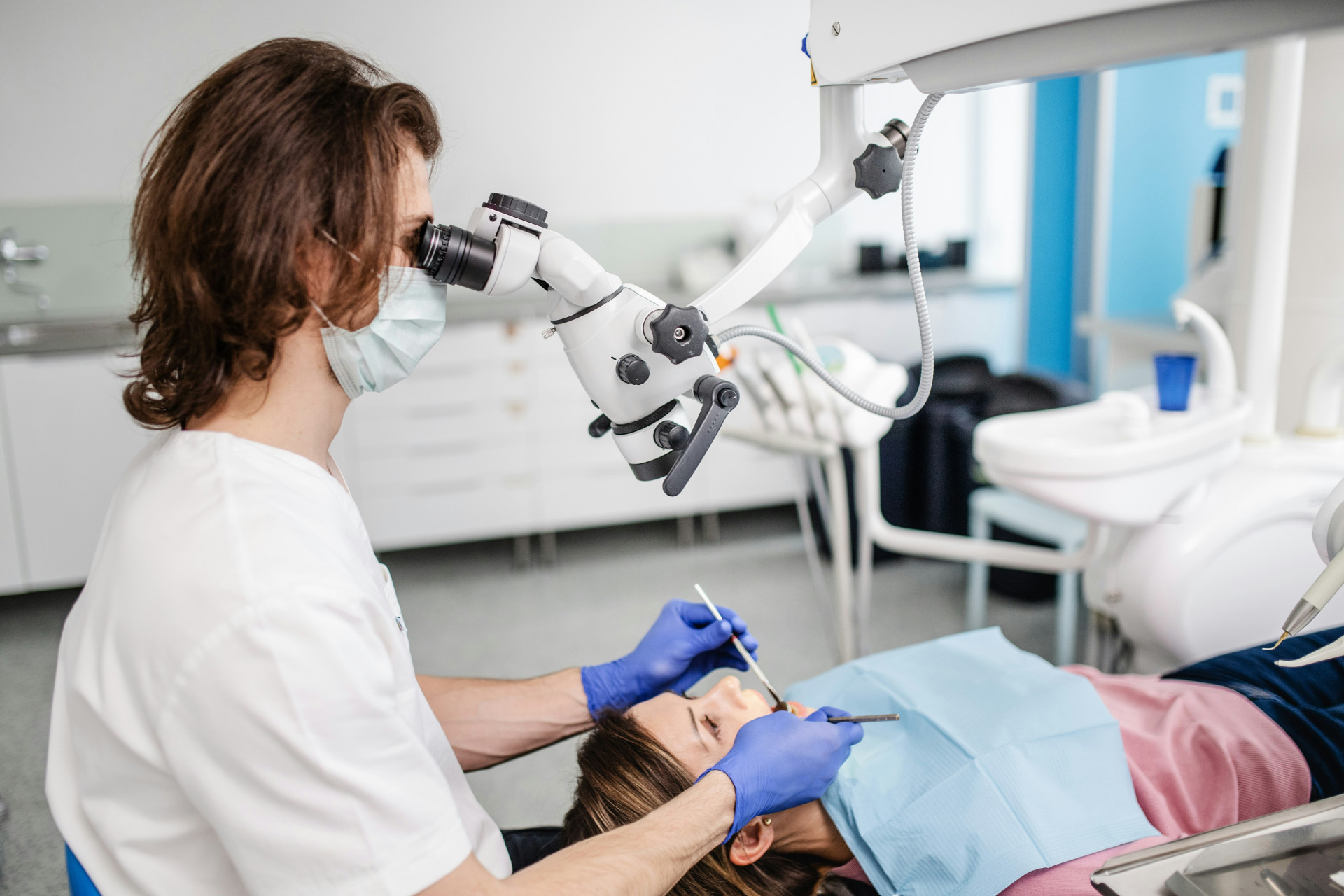
Myths About Teeth Cleaning: What’s True and What’s False?
Professional teeth cleaning is one of the most common dental procedures in the United States — yet it’s also surrounded by plenty of myths. Some people worry that cleanings damage their enamel, while others think they’re unnecessary if they brush and floss regularly. So what’s fact, and what’s fiction? Let’s take a closer look at some of the most common misconceptions about teeth cleaning and what dental professionals actually recommend.
Myth 1: Teeth cleaning wears down your enamel
Many people fear that the tools used during a cleaning can scratch or weaken their teeth. In reality, the opposite is true. Professional cleanings remove plaque and tartar that can lead to gum disease and tooth decay if left untreated.
Dental hygienists are trained to clean teeth gently and precisely. They use ultrasonic instruments and fine hand tools designed to remove buildup without harming the enamel. When performed correctly, a cleaning helps protect your teeth — not damage them.
Myth 2: You only need a cleaning if you have tartar
Teeth cleaning isn’t just about removing tartar. It’s also about preventing gum inflammation and periodontal disease by clearing away bacterial buildup that brushing and flossing can’t always reach. Even people with excellent home care can miss spots, especially around the gumline and between back teeth.
That’s why most U.S. dentists recommend a professional cleaning every six months, though some people may need them more or less often depending on their oral health and risk factors.
Myth 3: Teeth cleaning always hurts
For most people, a cleaning is painless. If your gums are inflamed, you might feel some tenderness when tartar is removed — but that’s a sign of existing gum issues, not the cleaning itself. Once your gums heal, the discomfort usually disappears.
If you have sensitive teeth, your hygienist can use numbing gel or adjust their technique to make the experience more comfortable. The key is to communicate how you’re feeling so the procedure can be tailored to you.
Myth 4: You can remove tartar at home
Online, you’ll find plenty of gadgets claiming to let you scrape off tartar yourself. Don’t be tempted. Tartar is hardened plaque that bonds tightly to the tooth surface and requires professional tools to remove safely. Trying to chip it off at home can scratch your enamel or injure your gums, increasing your risk of infection.
The best thing you can do at home is prevent tartar buildup: brush twice a day with fluoride toothpaste, floss daily, and consider using an interdental brush or water flosser. Leave the actual tartar removal to your dental professional.
Myth 5: A cleaning will make your teeth whiter
A professional cleaning can make your teeth look brighter, but that’s because it removes surface stains from coffee, tea, wine, or tobacco — not because it whitens the enamel itself. If you want a noticeably whiter shade, you’ll need a whitening treatment.
Still, many people find that a thorough cleaning gives their smile a fresher, cleaner appearance, which can make teeth look naturally lighter.
Myth 6: It’s a waste of money if you brush and floss well
Even the most diligent brushers can’t remove every bit of plaque. Professional cleanings complement your daily routine by reaching areas you can’t and by helping prevent gum disease and tooth loss. Skipping cleanings might save money in the short term, but untreated buildup can lead to costly dental problems later on.
Læs også:


A clean smile is a healthy smile
Teeth cleaning isn’t just about looks — it’s about maintaining your overall oral health. Regular cleanings reduce your risk of gum disease, bad breath, and tooth loss, while keeping your mouth feeling fresh. Myths about teeth cleaning persist, but the truth is simple: it’s one of the easiest and most effective ways to protect your smile for life.
Læs også: