After Exfoliating: How to Soothe and Hydrate Your Skin

After Exfoliating: How to Soothe and Hydrate Your Skin
Exfoliating can do wonders for your complexion—it removes dead skin cells, boosts cell renewal, and leaves your skin looking fresh and smooth. But right after exfoliation, your skin can also feel sensitive, tight, or dry. That’s why post-exfoliation care is essential to keep your skin calm, hydrated, and glowing. Here’s a step-by-step guide to soothing and moisturizing your skin after exfoliating, whether you’ve done it at home or had a professional treatment.
What Happens to Your Skin After Exfoliation?
Exfoliation—whether chemical, physical, or enzyme-based—works on the outermost layer of your skin. It clears away dead cells and encourages renewal, but it also temporarily weakens your skin barrier. This can lead to redness, tightness, or a mild stinging sensation.
That’s completely normal, but it means your skin needs extra care and hydration in the days following exfoliation. Think of your skin as a fresh new layer that needs time and nourishment to rebuild its strength.
Step 1: Cool and Calm the Skin
Immediately after exfoliating, it’s a good idea to cool your skin gently. Use a clean, damp washcloth with cool (not icy) water, or apply a soothing gel mask for a few minutes. Avoid applying ice directly to your skin—it can cause irritation.
Look for products with calming ingredients like aloe vera, panthenol (vitamin B5), chamomile, or colloidal oatmeal. These help reduce redness and restore balance to your skin.
Step 2: Replenish Moisture
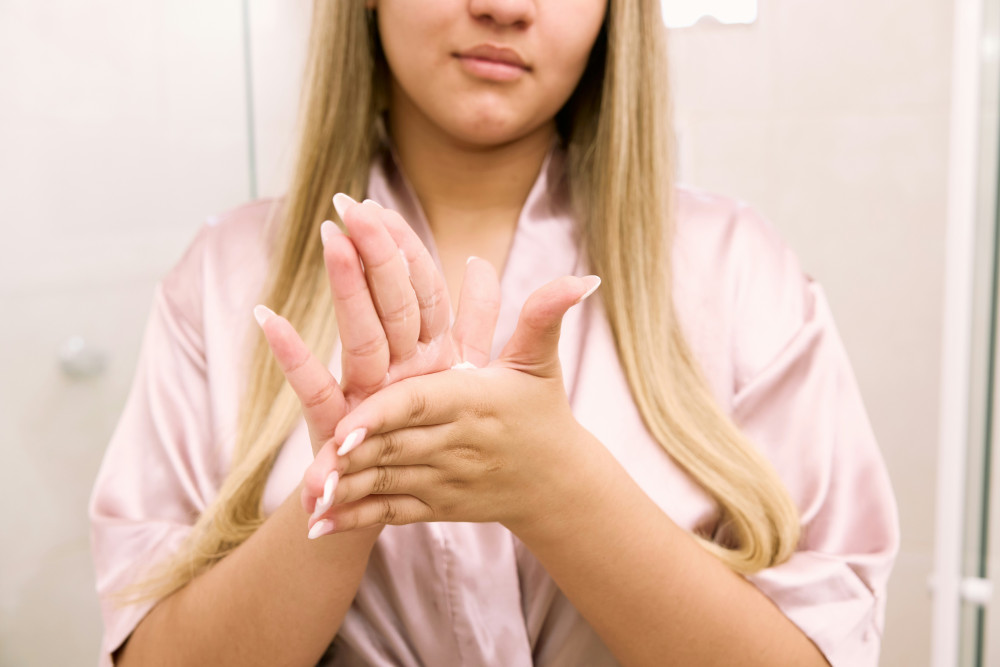
After exfoliation, your skin craves hydration—lots of it. Use a gentle, fragrance-free moisturizer or serum containing hyaluronic acid, glycerin, or ceramides to lock in moisture and strengthen your skin barrier.
If you normally use active ingredients like retinol, AHA, or BHA, take a short break for a few days. Your skin needs time to recover before you reintroduce stronger treatments.
A helpful tip: apply your moisturizer while your skin is still slightly damp after cleansing. This helps seal in hydration more effectively.
Step 3: Protect From the Sun
Freshly exfoliated skin is more sensitive to UV rays. Even brief sun exposure can cause irritation or dark spots if you’re not protected. Always apply broad-spectrum sunscreen with at least SPF 30, even on cloudy days.
Choose a sunscreen formulated for sensitive skin and avoid those with alcohol or strong fragrances. If you’ve had a professional peel, it’s best to avoid direct sunlight for at least a week.
Læs også:
Step 4: Don’t Overdo It
It can be tempting to use multiple products to “help” your skin recover, but less is more after exfoliation. Avoid scrubs, exfoliating toners, and strong acids for several days. Stick to a simple routine: gentle cleanser, moisturizer, and sunscreen.
Also, resist the urge to pick at any flaking or peeling skin—it can lead to scarring or uneven texture. Let your skin heal naturally at its own pace.
Step 5: Support Skin Renewal
Once the initial sensitivity subsides, you can start supporting your skin’s recovery with nourishing ingredients. Products containing niacinamide, vitamin E, or squalane can help strengthen the barrier and restore a healthy glow.
Don’t forget the basics: drink plenty of water and get enough sleep. Your skin regenerates most effectively at night, so a good night’s rest and hydration from within make a visible difference.
When to Seek Professional Advice
Mild redness and dryness are normal after exfoliation, but if you experience severe burning, swelling, or persistent irritation, contact a dermatologist or licensed esthetician. These could be signs that your skin has reacted too strongly and needs professional care.
Consistent Care Leads to the Best Results
Exfoliation can be a fantastic way to refresh your skin, but the results depend largely on how you care for it afterward. By giving your skin calm, moisture, and protection, you can extend the benefits and achieve a smooth, radiant complexion.
Think of post-exfoliation care as part of the treatment itself—not an optional extra. This is where you truly unlock the full potential of your exfoliation routine.
Læs også: