Sun Protection After Spider Vein Treatment – Why It Matters

Sun Protection After Spider Vein Treatment – Why It Matters
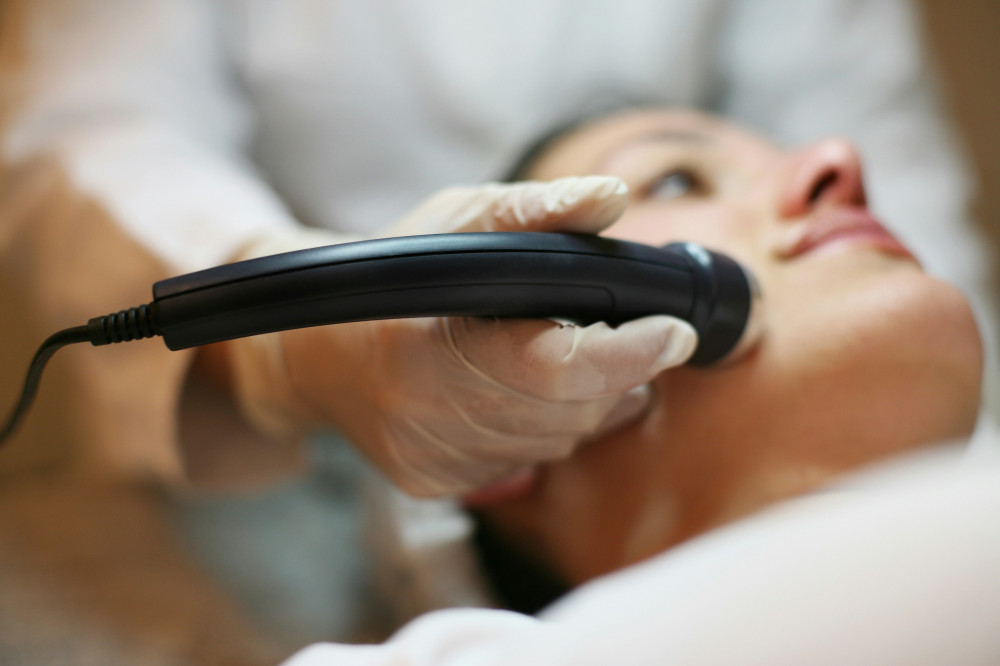
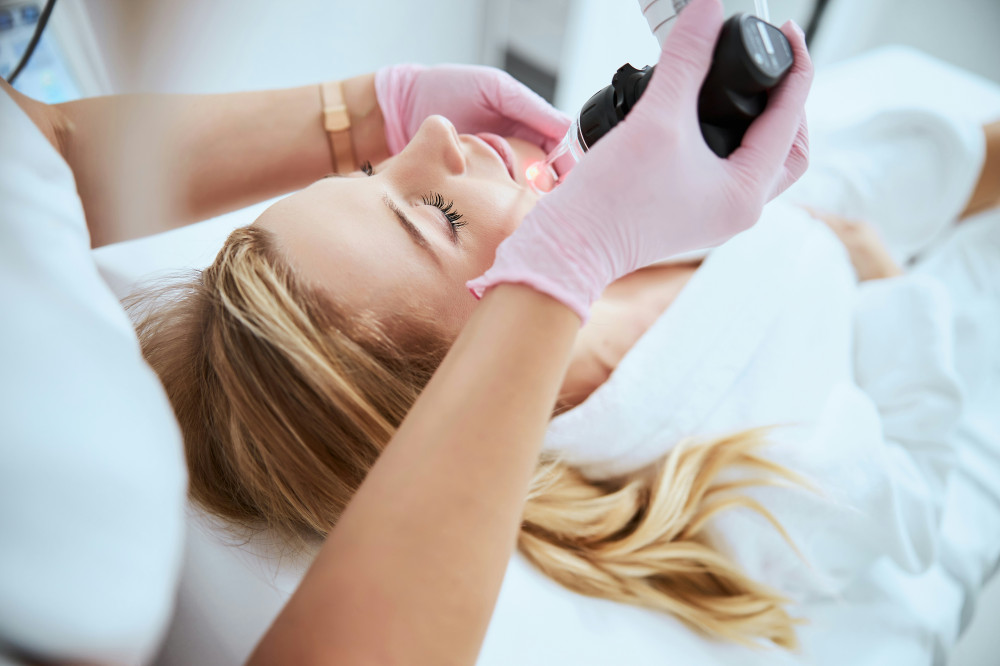
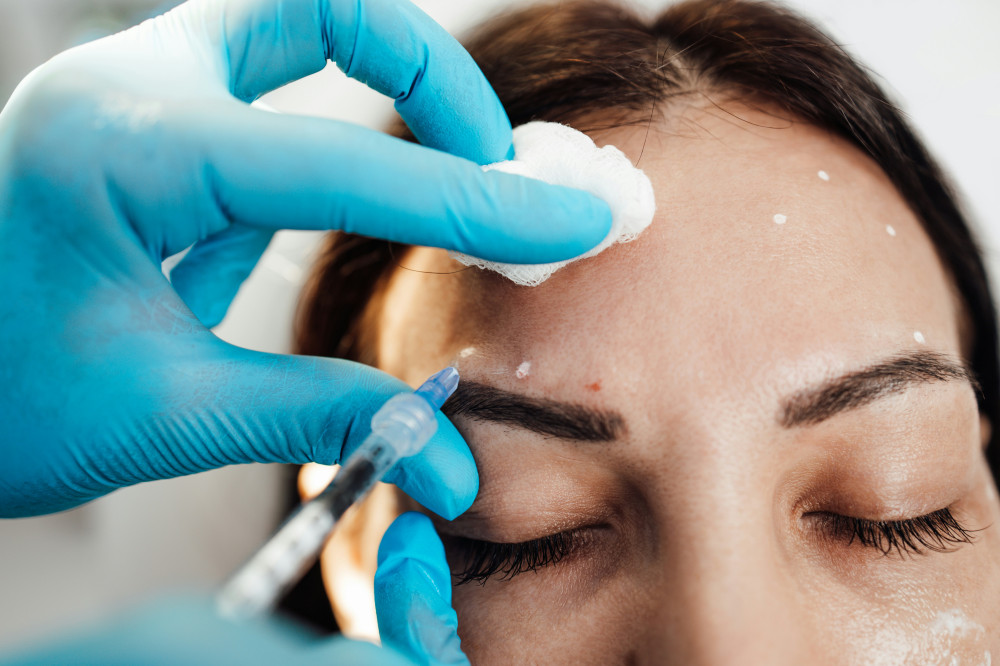
After undergoing spider vein treatment—whether on your legs, face, or elsewhere—your skin becomes more sensitive than usual. Procedures such as laser therapy or sclerotherapy target small blood vessels and the surrounding tissue, which temporarily weakens the skin’s natural barrier. During this healing phase, protecting your skin from the sun isn’t just a suggestion—it’s an essential part of achieving the best and longest-lasting results.
What Happens to the Skin After Treatment?
Spider vein treatments work by damaging or collapsing the tiny blood vessels that cause visible veins. The body then naturally absorbs these vessels over time. In the days following treatment, the skin may appear slightly red, warm, or swollen—similar to a mild sunburn.
Because the skin is in repair mode, it’s more vulnerable to ultraviolet (UV) radiation. Even brief sun exposure can lead to unwanted pigmentation, irritation, or delayed healing. That’s why diligent sun protection is crucial until the skin has fully recovered.
Why Sun Protection Is So Important
Sun exposure can interfere with the healing process and the final outcome of your treatment in several ways:
- Higher risk of pigmentation: Sensitive, healing skin can easily develop dark spots or uneven tone when exposed to UV rays.
- Slower recovery: Sunlight can prolong redness, swelling, and irritation, delaying your skin’s natural repair.
- Reduced treatment effectiveness: Early sun exposure may cause some treated veins to reappear or diminish the overall results.
In short, sun protection isn’t just an afterthought—it’s part of the treatment itself.
Læs også:
How to Protect Your Skin Effectively
Here are the most important steps to keep your skin safe and your results intact:
- Use a broad-spectrum sunscreen (SPF 30–50): Choose a product that protects against both UVA and UVB rays. Apply it every morning, even on cloudy days, and reapply every two hours if you’re outdoors.
- Avoid direct sun exposure for the first few weeks: For at least two to four weeks after treatment, stay out of strong sunlight. If you must be outside, wear protective clothing, a wide-brimmed hat, or use an umbrella for shade.
- Be mindful of reflective surfaces: Water, sand, and concrete can reflect UV rays, increasing your exposure even when you’re not in direct sunlight.
- Maintain long-term sun habits: Once your skin has healed, continue using sunscreen daily. This helps prevent new spider veins, sun damage, and premature aging.
When Is It Safe to Be in the Sun Again?
As a general rule, wait at least two weeks before exposing treated areas to sunlight—and longer if your skin is still red or sensitive. Your provider can give you personalized guidance based on your skin type, the treatment method, and the area treated.
If you’re planning a beach vacation or outdoor activities, consider scheduling your treatment during the cooler months or when UV levels are lower. This timing helps minimize complications and ensures a smoother recovery.
Healthy Habits for Even-Toned Skin
Sun protection isn’t just about post-treatment care—it’s a long-term investment in your skin’s health. UV radiation is one of the main causes of spider veins, pigmentation issues, and loss of elasticity. By making sunscreen a daily habit, you can help prevent many of the concerns that lead to treatment in the first place.
Pair your sun protection with gentle, hydrating skincare. Avoid harsh exfoliants, alcohol-based products, or strong acids for a few weeks after treatment. This supports faster healing and helps maintain a smooth, even complexion.
A Small Step With a Big Impact
It’s easy to think that once your spider vein treatment is done, the process is complete—but in reality, the most important phase begins afterward. Consistent sun protection determines whether your results will last and look their best. With a little care and the right habits, you can enjoy clearer, more even-toned skin—without letting the sun undo your progress.
Læs også: