Eat Your Way to Stronger Nails: Vitamins and Minerals That Make a Difference

Eat Your Way to Stronger Nails: Vitamins and Minerals That Make a Difference
Brittle, peeling, or slow-growing nails can be a sign that your body is missing key nutrients. Just like your skin and hair, your nails reflect your overall health—and what you eat plays a bigger role than you might think. With the right diet, you can strengthen your nails from within and help them grow healthy and resilient. Here’s a look at the most important vitamins and minerals that truly make a difference.
Biotin – the classic nail vitamin
Biotin, also known as vitamin B7, is one of the best-known nutrients for nail health. It supports the production of keratin—the main protein that makes up your nails. Several studies suggest that biotin can improve nail thickness and reduce splitting or brittleness.
You can find biotin in foods like eggs, almonds, sweet potatoes, salmon, and whole grains. Most people get enough through a balanced diet, but if your nails are consistently weak, it may be worth paying attention to your intake.
Iron – for oxygen and strength
Iron deficiency can show up in many ways, and one of the lesser-known signs is weak or spoon-shaped nails. Iron is essential for transporting oxygen in your blood to all cells, including those that form nail tissue. Without enough iron, nail growth can slow down, and nails may lose their natural shine.
Good sources of iron include lean red meat, poultry, seafood, beans, lentils, spinach, and fortified cereals. Pair iron-rich foods with vitamin C—like citrus fruits or bell peppers—to boost absorption.
Zinc – supports repair and growth
Zinc plays a key role in cell renewal and tissue repair. A lack of zinc can lead to white spots on the nails, slow growth, and increased brittleness.
You can get zinc from foods like beef, oysters, pumpkin seeds, nuts, and dairy products. Vegetarians and vegans should pay special attention, as zinc from plant sources is less easily absorbed than from animal sources.
Silicon – nature’s building block
Silicon (or silica) is a trace mineral that often flies under the radar but contributes to the formation of collagen and keratin. It can help nails become more flexible and less prone to breaking. Silicon is found in foods like oats, brown rice, green beans, and leafy vegetables.
While research is still developing, some evidence suggests that maintaining a steady intake of silicon may benefit those with thin or fragile nails.
Vitamin C – protects and supports
Vitamin C is a powerful antioxidant that protects cells from damage and is essential for collagen production—a protein that gives structure and strength to skin, hair, and nails. A deficiency can lead to dry, brittle nails that split easily.
To keep your vitamin C levels up, eat plenty of fruits and vegetables, especially oranges, strawberries, bell peppers, and kale.
Læs også:

Protein – the foundation of healthy nails
Nails are made primarily of keratin, a protein your body builds from amino acids. If you don’t get enough protein, nail growth and structure can suffer. Make sure your diet includes a variety of protein sources such as fish, eggs, poultry, beans, and dairy.
For vegetarians and vegans, combining different plant proteins—like beans and rice—helps ensure you get all the essential amino acids your body needs.
A balanced diet is key
While supplements can help in some cases, they’re rarely necessary if you eat a varied diet. Your body generally absorbs vitamins and minerals best from whole foods, where nutrients work together in complex ways.
If you continue to have nail problems, it’s a good idea to talk with your healthcare provider or a registered dietitian to rule out deficiencies or underlying health issues.
Small habits, big difference
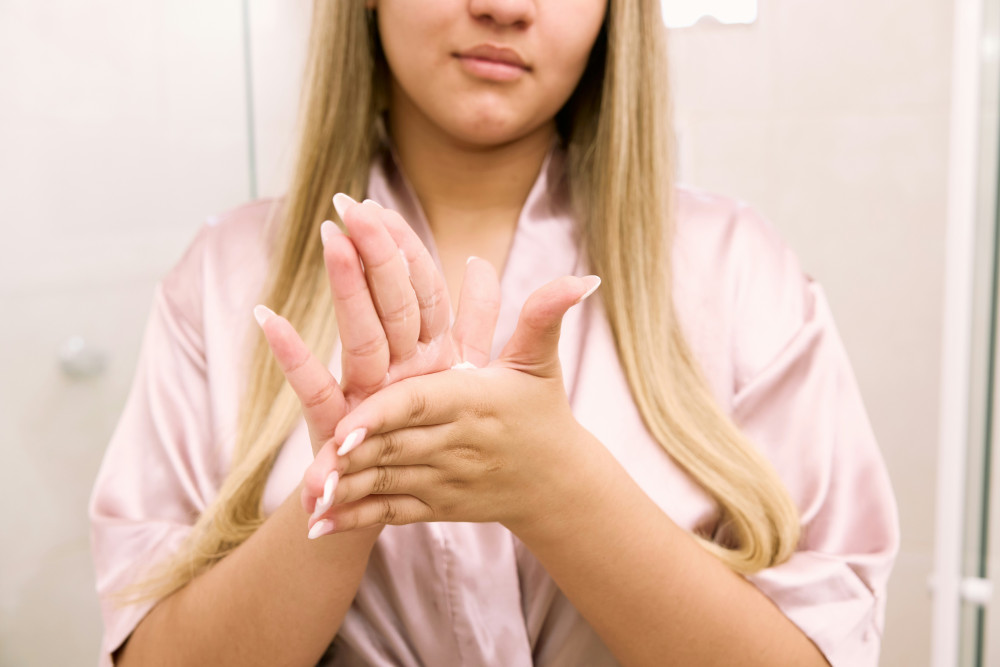
Beyond nutrition, daily habits also matter. Wear gloves when cleaning, moisturize your hands and cuticles regularly, and avoid using your nails as tools. Combining nutrient-rich foods with gentle nail care gives you the best chance for strong, healthy nails—naturally.
Læs også: