Nails in Recovery: How to Strengthen and Care for Them After Extensions

Nails in Recovery: How to Strengthen and Care for Them After Extensions
When artificial extensions come off, many people are left with natural nails that feel thin, dry, or brittle. That’s completely normal — but it takes patience and the right care to bring them back to health. Nail recovery isn’t just about making them look good again; it’s about rebuilding their strength and resilience from the inside out. Here’s how to help your nails recover after extensions.
Why Nails Become Weakened
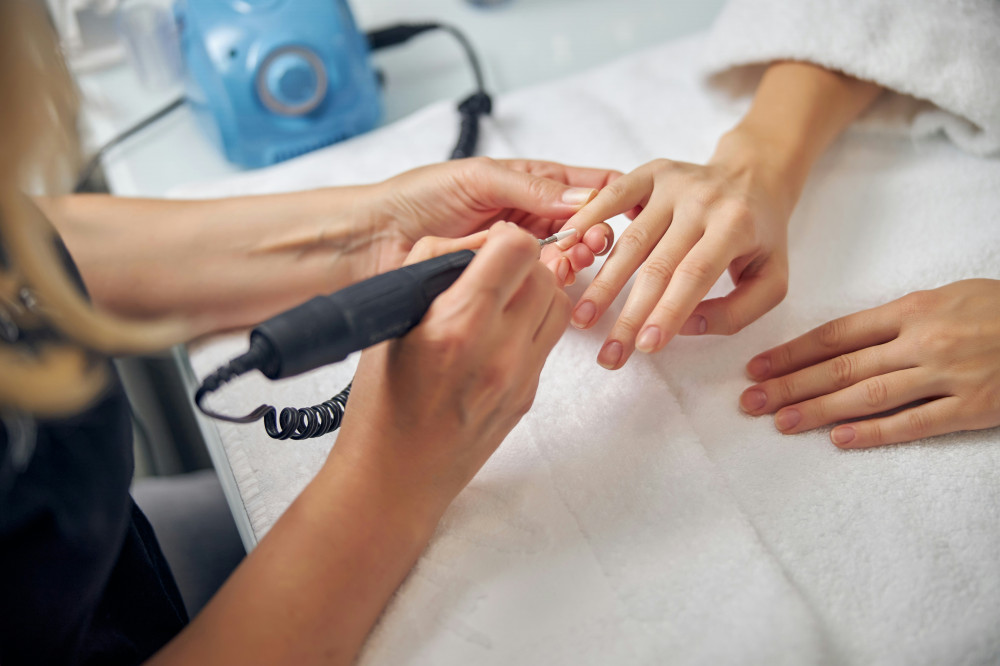
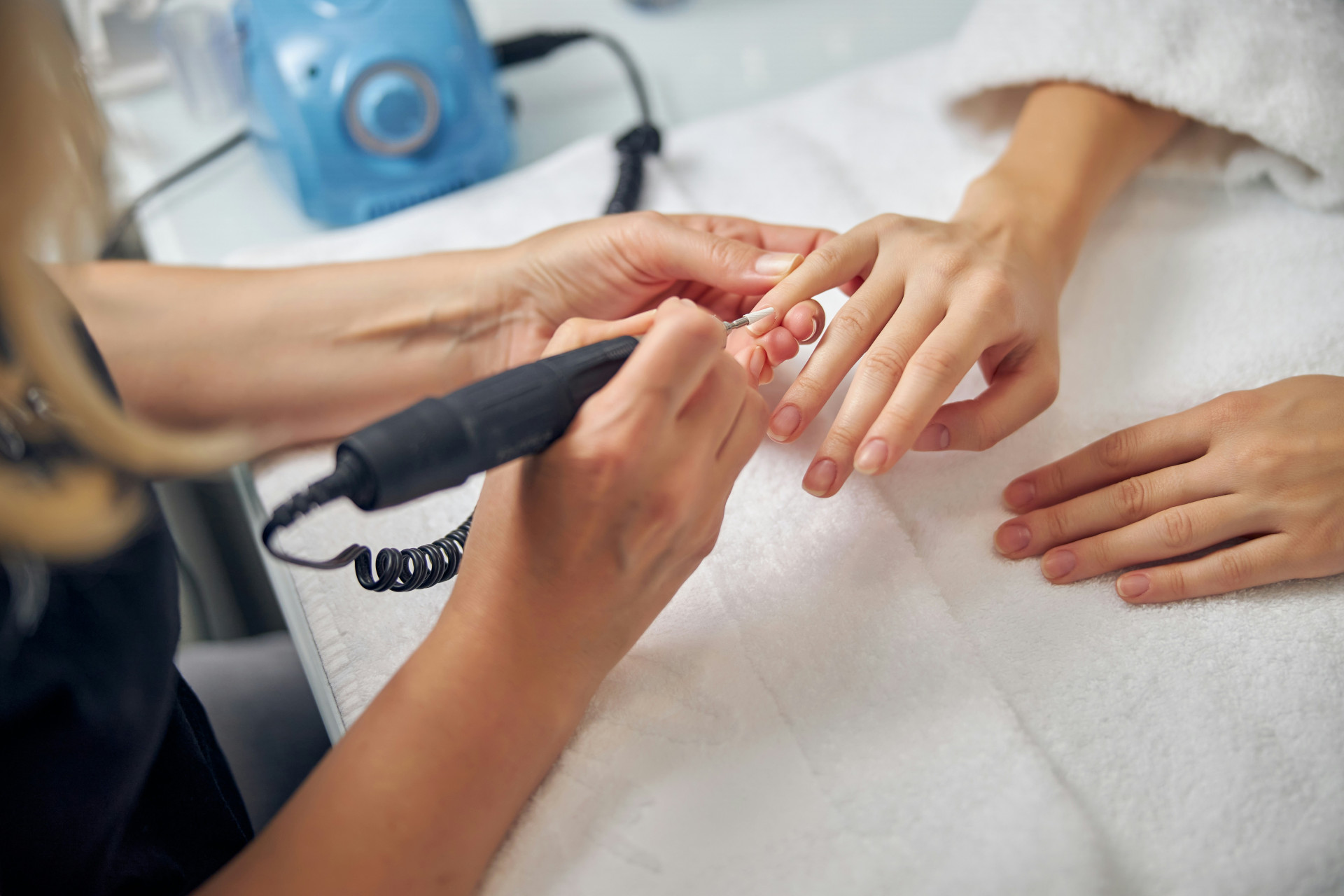
During an extension service, the natural nail is often lightly buffed to help the product adhere. This can thin the surface and make it more prone to dryness. The removal process — especially if done too quickly or without proper soaking — can also damage the nail plate.
The result is often peeling, splitting, or rough nails. The good news? With consistent care, they can fully recover.
Start with a Gentle Routine
After removing extensions, give your nails a break from artificial materials for at least a couple of weeks. During this time, focus on protection and hydration.
- Apply cuticle oil daily — ideally several times a day. Oils with jojoba, vitamin E, or sweet almond oil help restore moisture to both the nail plate and cuticles.
- Keep nails short to reduce the risk of breakage while they’re still fragile.
- Use a fine-grit nail file instead of clippers, and file in one direction to prevent splitting.
- Avoid acetone-based removers, which can dry out nails and skin.
A consistent routine of moisture and gentle handling is the first step toward stronger nails.
Nourish from the Inside Out
Healthy nails start with good nutrition. Protein, zinc, iron, and biotin all play key roles in forming keratin — the protein that makes up your nails.
- Eat eggs, fish, nuts, and whole grains, which support nail growth and strength.
- Stay hydrated — dehydration can make nails more brittle.
- Consider a biotin or collagen supplement if your nails are particularly weak, but check with your healthcare provider before starting any new supplement.
A balanced diet won’t replace external care, but it gives your nails a solid foundation to grow from.
Læs også:

Protect Your Hands Every Day
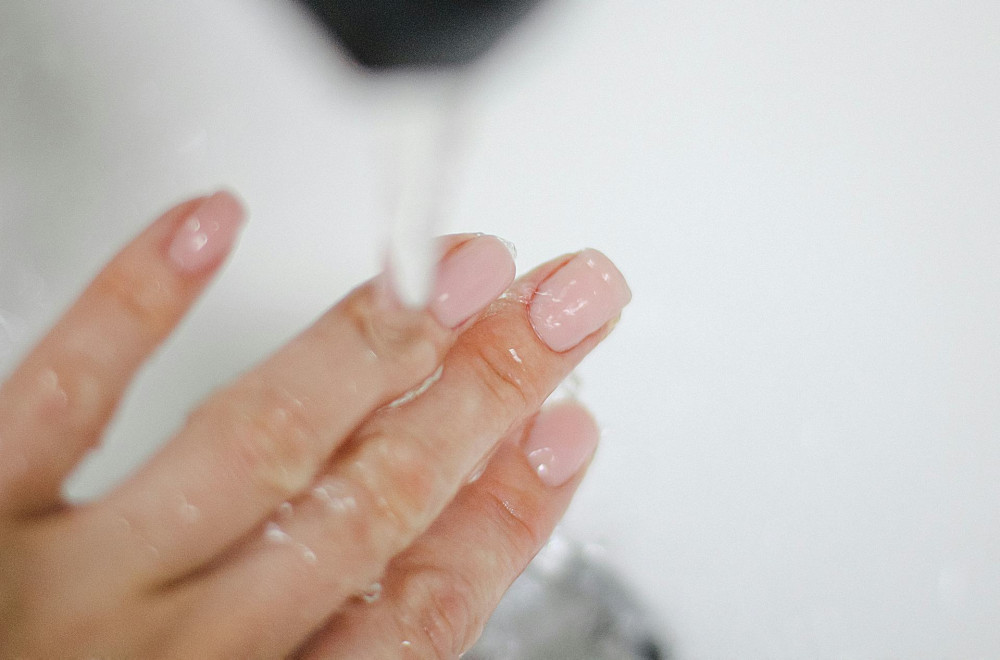
Daily habits have a big impact on nail health. Water, cleaning products, and cold weather can all dry out nails and skin.
- Wear gloves when washing dishes or cleaning.
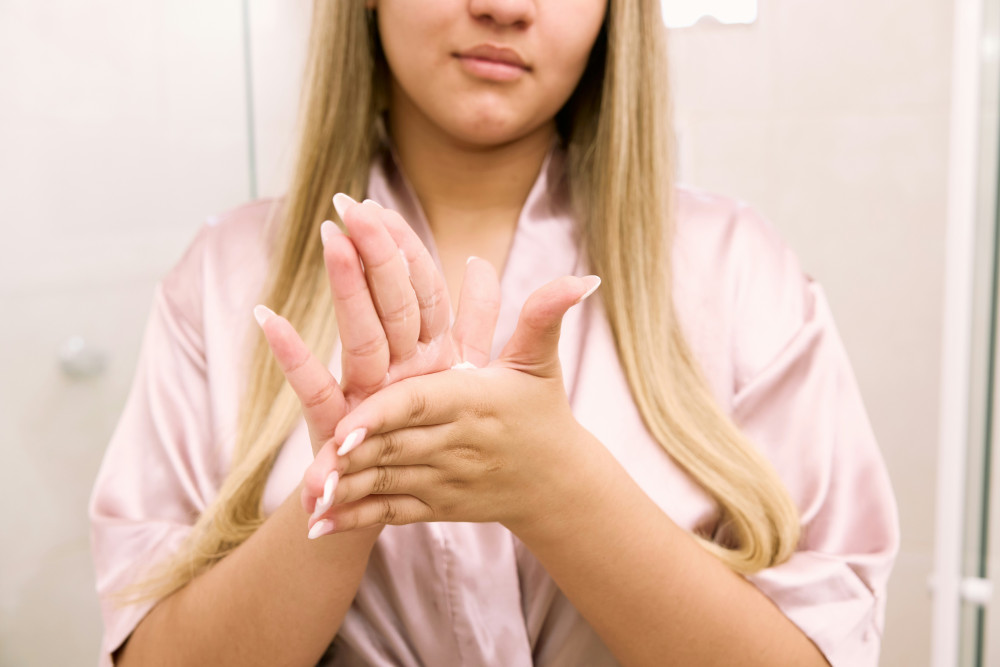
- Apply hand cream after every wash, ideally one with glycerin, shea butter, or ceramides.
- Avoid using your nails as tools — don’t pry open lids or scrape off stickers.
These small habits go a long way in helping your nails regain their strength.
Try a Strengthening Treatment
Once your nails start to feel stronger, you can add a light strengthening product — without going back to heavy materials. A formaldehyde-free nail hardener or a strengthening base coat can provide extra protection as your nails grow out.
You might also consider an IBX treatment at a professional salon. This treatment penetrates the nail plate to reinforce it from within — perfect for nails in recovery.
Patience Is Key
Nails grow about 1/8 inch (2–3 mm) per month, so full recovery takes time. The most important thing is to stay consistent with your care routine and resist the urge to apply new extensions too soon.
After a few weeks, you’ll start to notice a difference — smoother, stronger, and more flexible nails. With regular care, you can enjoy naturally beautiful nails that don’t need artificial help to look healthy.
Læs også: