Stay Healthy and Energized as You Age

Stay Healthy and Energized as You Age
As we grow older, our bodies change — and so do our energy levels. Many people notice that they tire more easily or that staying active takes more effort than it used to. These changes are natural, but they don’t have to slow you down. With a few mindful habits, you can maintain your strength, vitality, and zest for life well into your later years.
Why Energy Levels Change with Age
Aging affects the body in many ways. Muscle mass tends to decrease, metabolism slows, and hormone levels shift. These changes can make it harder to stay energized. In addition, certain medications or chronic conditions can influence appetite, sleep, and motivation to move.
The good news is that lifestyle choices — what you eat, how you move, and how you care for your body — can make a big difference. Even small adjustments can help you feel more vibrant every day.
Eat for Strength and Stamina
Nutrition plays a key role in maintaining energy. As you age, your body may need fewer calories but still requires the same amount of nutrients. That means every bite counts.
- Prioritize protein. Include lean meats, fish, eggs, beans, or Greek yogurt in your meals to help preserve muscle mass.
- Choose nutrient-dense foods. Whole grains, colorful fruits and vegetables, nuts, and seeds provide vitamins, minerals, and fiber that support overall health.
- Limit added sugars and processed foods. These can cause energy spikes and crashes, leaving you feeling sluggish.
- Stay hydrated. Thirst often decreases with age, so make a habit of drinking water throughout the day. Herbal tea, milk, and soups also contribute to your fluid intake.
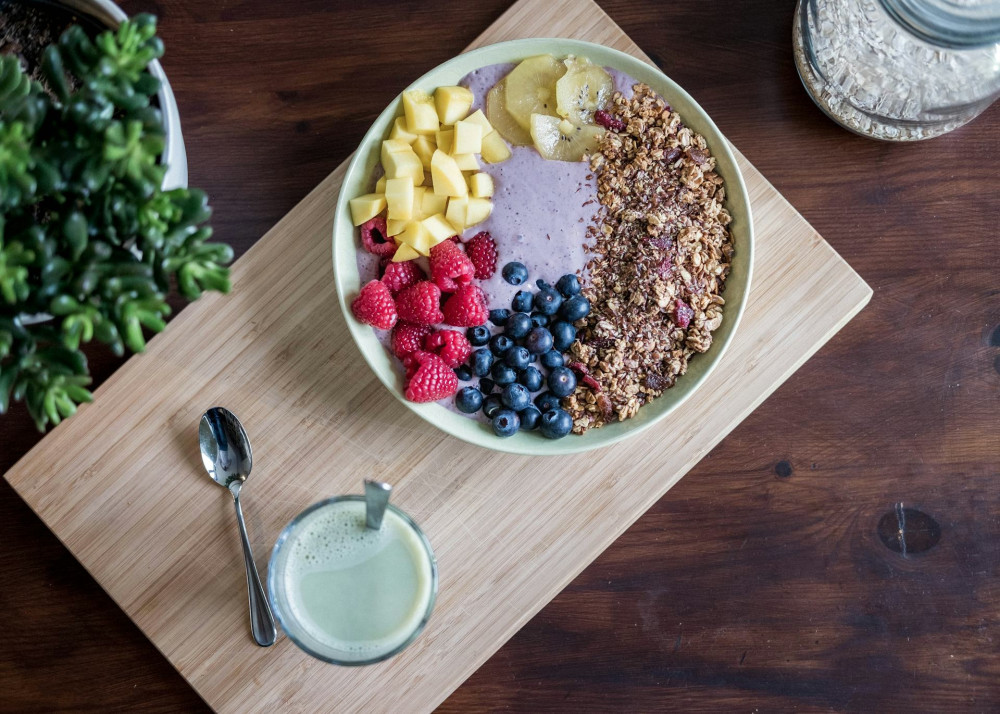
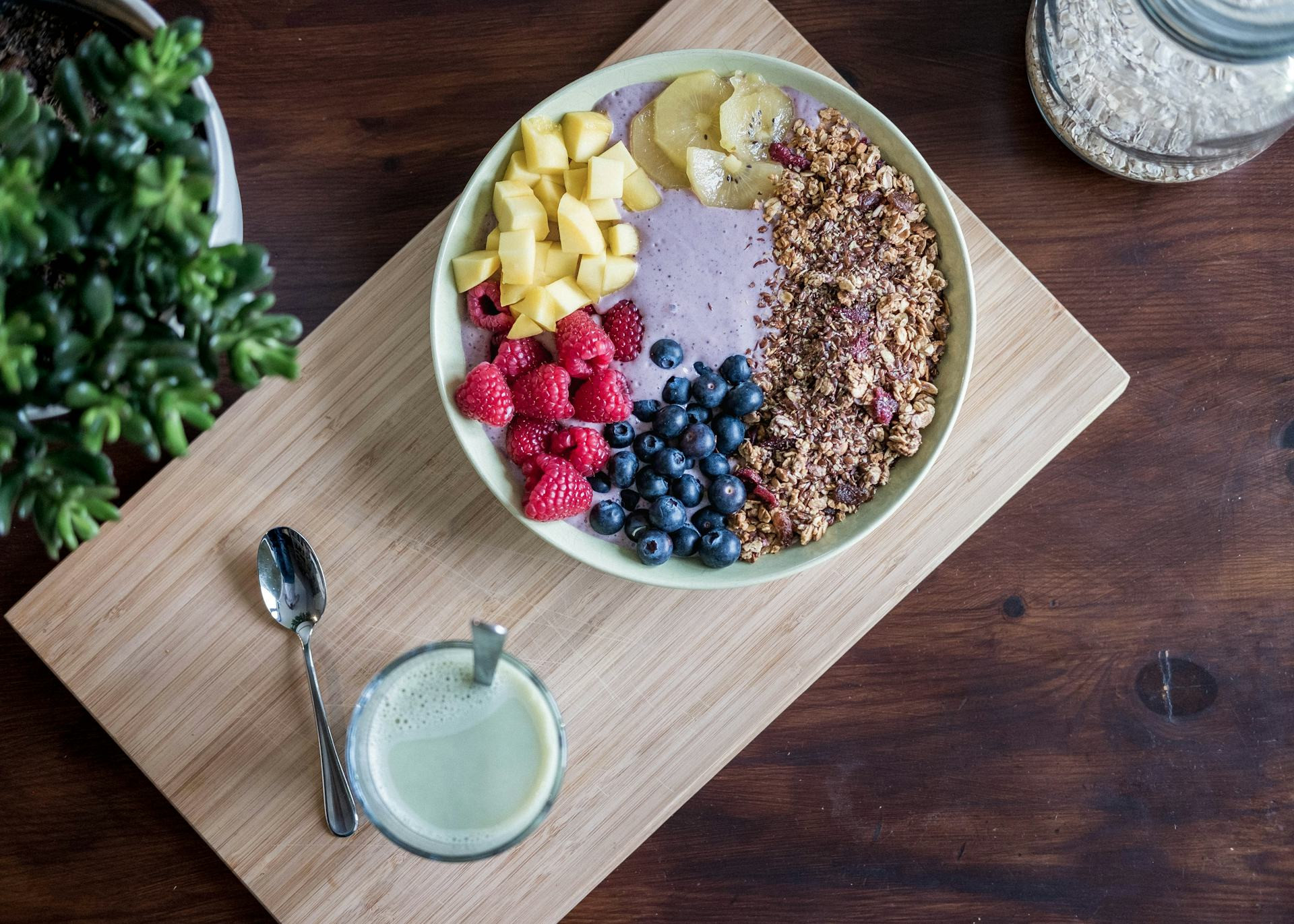
If you find large meals overwhelming, try eating smaller portions more often. A smoothie, a handful of almonds, or a slice of whole-grain toast with peanut butter can keep your energy steady between meals.
Læs også:


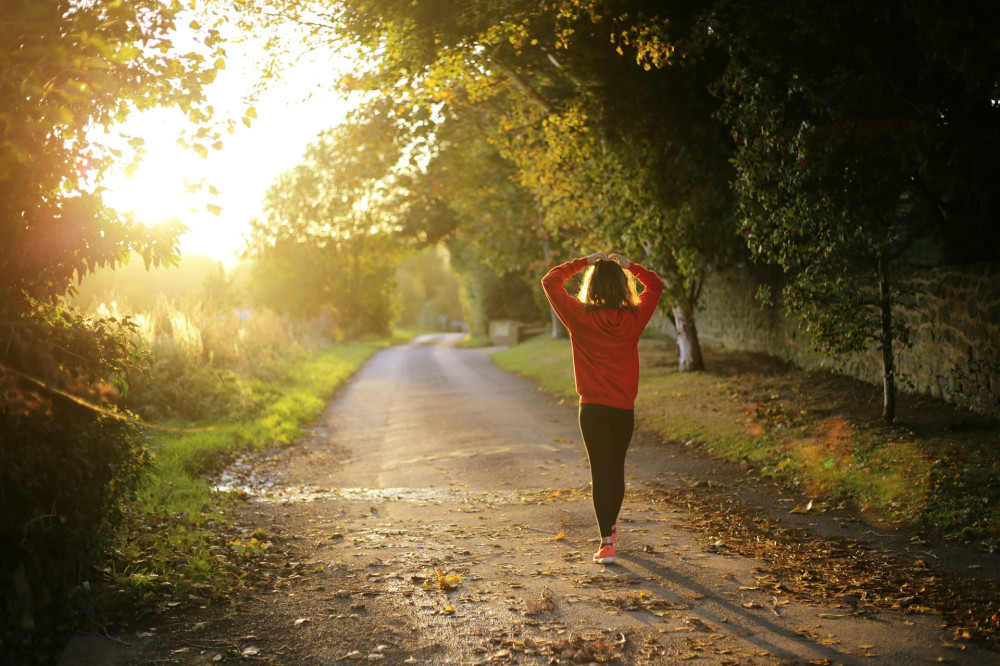
Keep Moving — Every Day Counts
Physical activity is one of the most powerful ways to stay energized. Exercise boosts circulation, strengthens muscles, and improves mood. It also helps regulate sleep and appetite.
You don’t need to run marathons to benefit. Aim for at least 150 minutes of moderate activity each week — such as brisk walking, swimming, or cycling. Add strength training twice a week to maintain muscle and bone health. Even light activities like gardening, dancing, or stretching can make a big difference.
If you’re new to exercise or have health concerns, talk with your doctor before starting a new routine. They can help you find safe and enjoyable ways to stay active.
Prioritize Rest and Recovery
Quality sleep is essential for energy and well-being. Many older adults struggle with sleep changes, such as waking up earlier or having trouble falling asleep. To improve rest:
- Keep a consistent bedtime and wake-up time.
- Avoid caffeine and heavy meals close to bedtime.
- Create a calm, dark, and cool sleeping environment.
- Limit screen time before bed — try reading or gentle stretching instead.
If sleep problems persist, consult your healthcare provider to rule out underlying issues.
Stay Connected and Engaged
Emotional and social well-being are just as important as physical health. Loneliness and stress can drain your energy, while meaningful connections can lift your spirits.
- Spend time with family and friends, in person or virtually.
- Join a local club, volunteer group, or fitness class.
- Explore hobbies that bring you joy — painting, gardening, or learning something new.
Staying mentally active and socially engaged helps keep your mind sharp and your outlook positive.
Partner with Your Healthcare Team
Regular checkups are key to staying healthy as you age. Your doctor can monitor your blood pressure, cholesterol, and other markers that affect energy and vitality. If you experience persistent fatigue, unexplained weight changes, or loss of appetite, don’t ignore them — these could be signs of an underlying condition.
A registered dietitian or physical therapist can also provide personalized guidance to help you meet your goals safely.
Embrace Aging with Energy and Confidence
Aging is a natural part of life, but it doesn’t have to mean slowing down. By nourishing your body, staying active, resting well, and nurturing your social connections, you can continue to feel strong, capable, and full of life.
Small, consistent choices add up. With the right habits, you can stay healthy and energized — and enjoy every stage of life to the fullest.
Læs også: