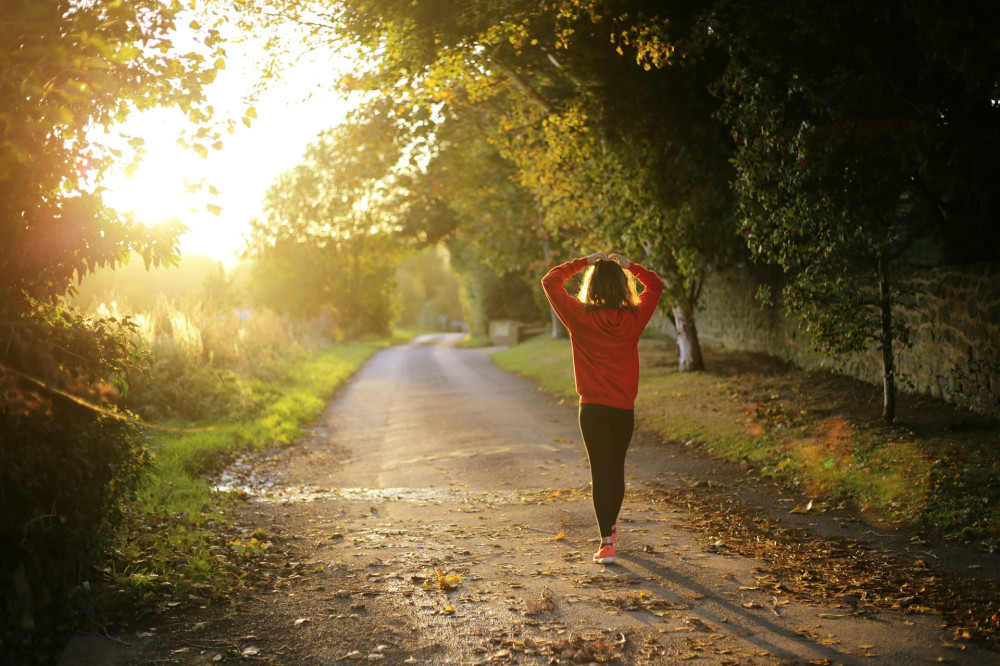
Walk Your Way to Balance: Mindful Movement Strengthens Body and Mind

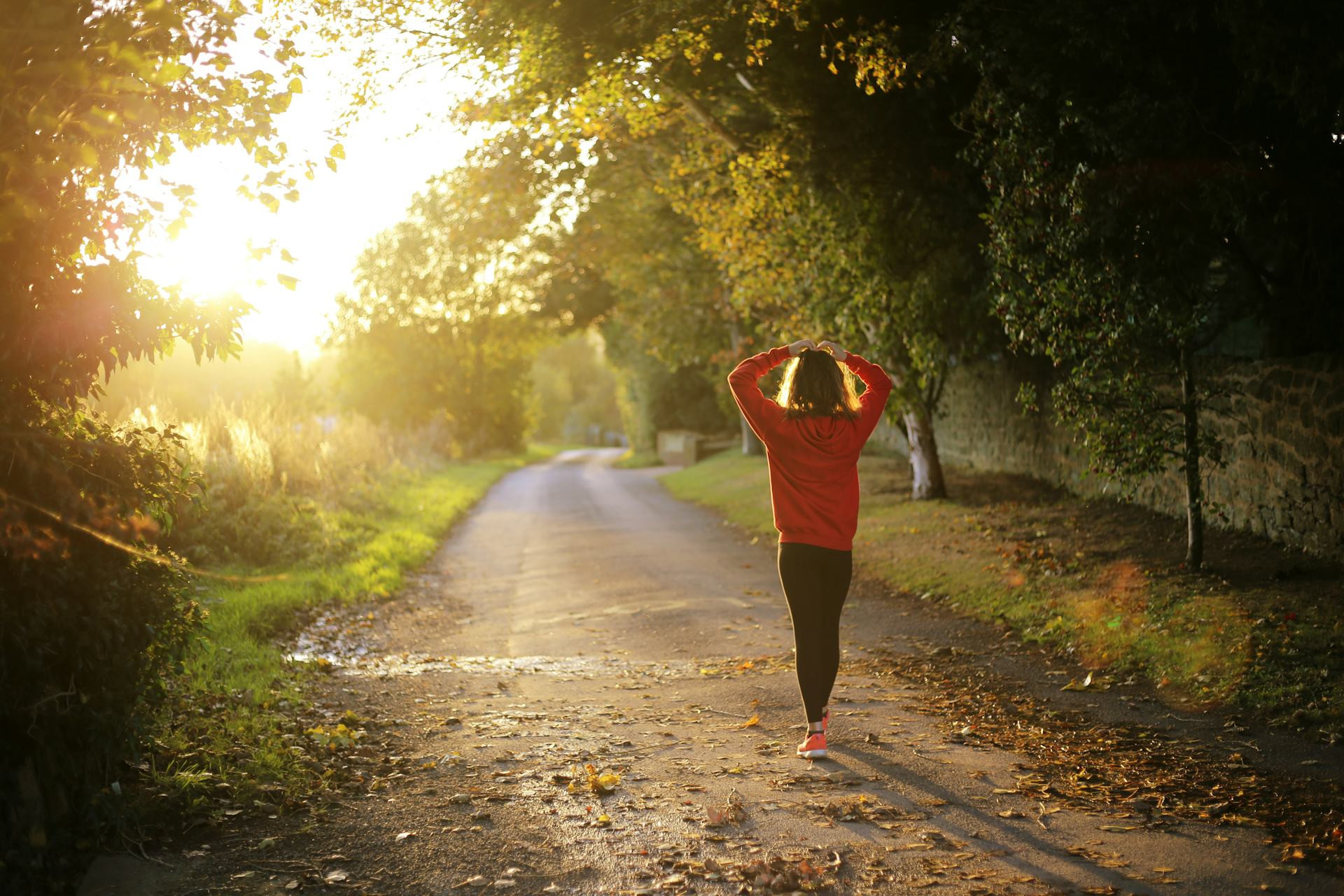
Walk Your Way to Balance: Mindful Movement Strengthens Body and Mind
In a world where many of us spend hours sitting at desks or scrolling through screens, the idea of simply going for a walk might sound almost too simple. Yet, putting one foot in front of the other can be one of the most powerful ways to restore calm, clarity, and balance—both physically and mentally. Mindful walking, or walking meditation, turns an everyday activity into a practice of awareness. It doesn’t require special equipment, a gym membership, or even much time—just your attention.
What Is Mindful Walking?
Mindful walking is a form of meditation in motion. Instead of sitting still and focusing on your breath, you bring your awareness to the act of walking itself. You notice the contact of your feet with the ground, the rhythm of your steps, and the movement of your body through space. The goal isn’t to reach a destination but to be fully present with each step.
The practice has roots in Buddhist traditions but has become a popular part of modern mindfulness and stress-reduction programs. Many people find it easier to settle their minds while moving than while sitting still—especially when thoughts tend to race.
How to Get Started
You don’t need a special route or pace to practice mindful walking. The key is to find a place where you can move without too many distractions for a few minutes.
- Begin by standing still. Feel your feet on the ground and take a few slow, steady breaths.
- Start walking slowly. Notice how your weight shifts from heel to toe.
- Tune into your senses. What do you see, hear, and feel around you?
- Let thoughts come and go. When your mind wanders, gently bring your focus back to your steps.
- End with awareness. When you stop, pause for a moment and notice how your body feels.
Even five to ten minutes can make a difference. Over time, you can extend your walks or weave mindful walking into your daily routines—on your way to work, during a lunch break, or while walking the dog.
Benefits for Body and Mind
Walking is already one of the most accessible forms of exercise, supporting heart health, muscles, and joints. When combined with mindfulness, it offers a double benefit: physical movement and mental calm. Research suggests that mindful walking can:
- Reduce stress by activating the body’s relaxation response.
- Improve focus and the ability to stay present.
- Boost mood and ease symptoms of anxiety and depression.
- Enhance body awareness, helping you recognize your limits and needs.
Many people also find that mindful walking helps them respond to daily challenges with greater patience and clarity.
Making It Part of Everyday Life
Finding time for stillness can be tough in a busy schedule, but mindful walking doesn’t require extra hours—just a shift in attention. You can:
- Walk mindfully while heading to grab coffee or between meetings.
- Leave your phone in your pocket and focus on your surroundings.
- Use a short walk as a transition between work and home life.
If you’re interested in deepening your practice, look for local mindfulness classes or guided walking meditations offered through community centers, yoga studios, or wellness programs.
Nature as a Partner
Walking mindfully outdoors can amplify the benefits. The sound of birds, the rustle of leaves, and the scent of fresh air help awaken the senses. Studies on nature therapy show that spending time in green spaces can lower blood pressure and heart rate while increasing feelings of well-being. Try finding a quiet park, a forest trail, or even a peaceful neighborhood street, and let nature become your meditation companion.
Læs også:



Simple Steps Toward Balance
Mindful walking isn’t about performance—it’s about presence. It reminds us that balance and calm don’t always come from sitting still or making big life changes, but from the small, intentional movements we make every day. When you walk with awareness, each step becomes a chance to return to yourself—and to the present moment.
Læs også: